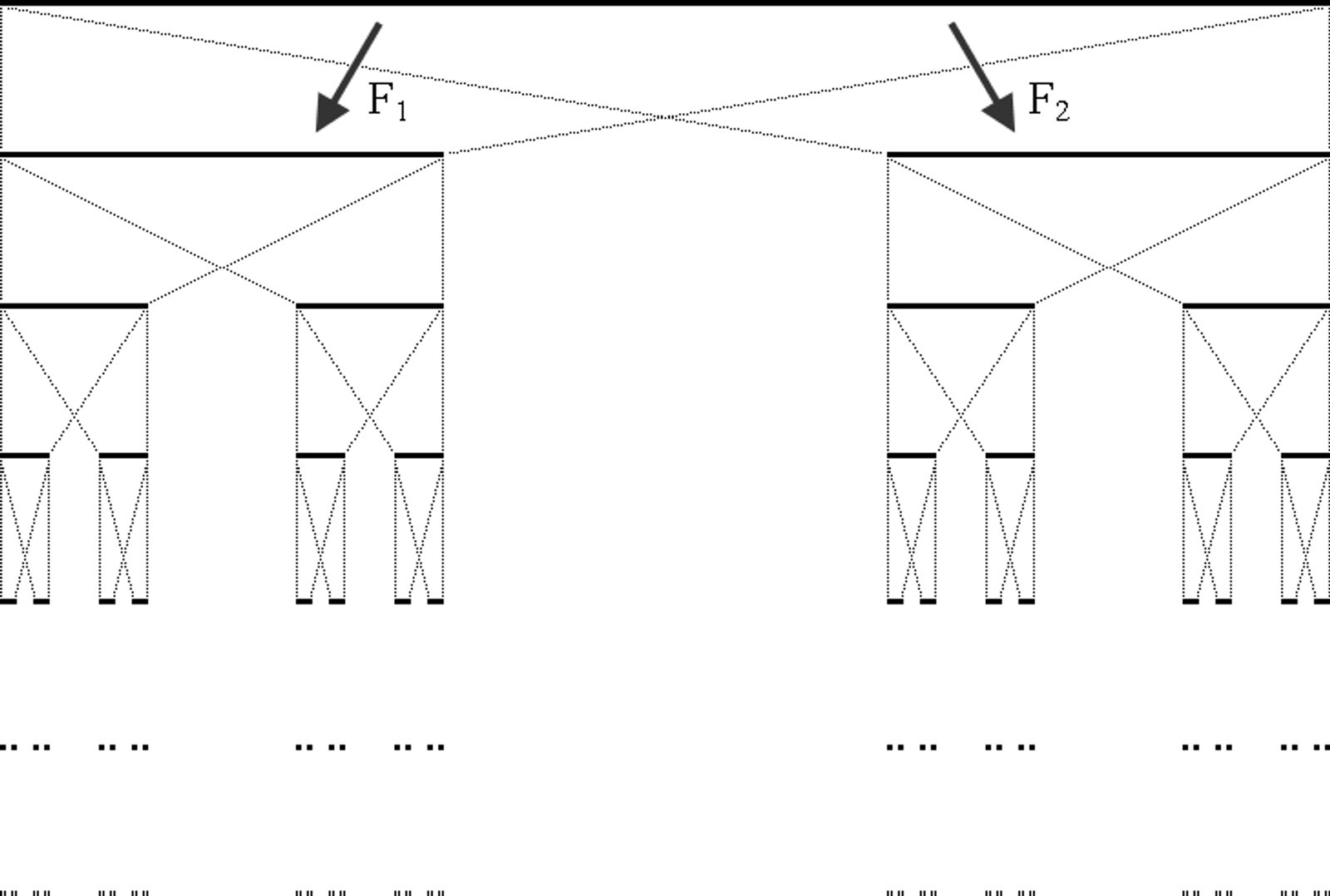
9.1 Discrete and Continuous as a False Dichotomy
The electron is neither particle nor wave but an excitation of a quantum field, the field is continuous, the excitation is discrete, both descriptions are correct, and consciousness may work the same way, with Whitehead’s discrete occasions as excitations of a continuous experiential field.
Proto
Physics already resolved this, and the resolution is worth stating cleanly because it keeps coming up in philosophy of mind.
The question “is consciousness discrete or continuous” seems to demand an answer. Whitehead said discrete, the universe advances in quantum steps of experience, each occasion arising, achieving its synthesis, and perishing. Pure panpsychists tend to say continuous, experience is a field, not a sequence of events.
But physics shows us the dichotomy is false. An electron is not a particle that sometimes acts like a wave, or a wave that sometimes acts like a particle. It is an excitation of a quantum field. The field is continuous. The excitation is discrete. Both descriptions are correct and neither is complete.
Apply this to consciousness: Whitehead’s discrete occasions are excitations of a continuous consciousness field[whitehead][peskin]. The field is always there. The occasions are what the field does when it organizes itself into events. This makes Whitehead more coherent, not less, his “societies of occasions” are stable excitation patterns in the field, exactly as particles are stable excitation patterns in quantum fields.
Images