3.2 The Pattern Is What the Waves Do Together
The ear detecting consonance and the screen detecting the double-slit pattern are both reading the same kind of structure from the same kind of process, and the brain, with millions of neurons continuously disturbing the electromagnetic field, may be producing the same phenomenon at yet another scale.
Harmony, the double slit, and thought may all be the same phenomenon at different scales.
Proto
Interference is the mechanism by which two waves meeting in the same medium reinforce or cancel depending on their phase relationship. In music this produces consonance and dissonance, the reason certain intervals feel stable and others tense is that their interference patterns are periodic and regular, or not.
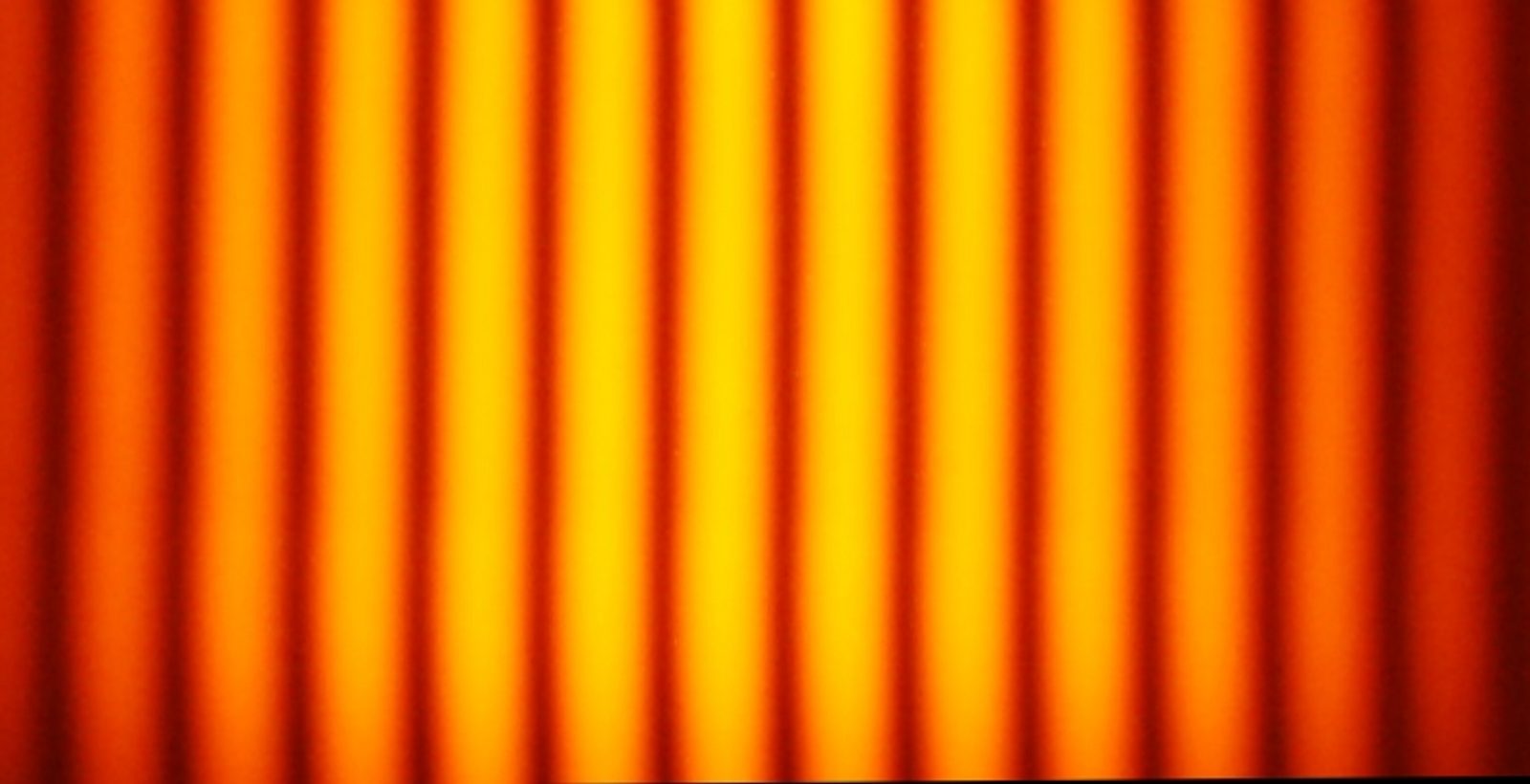
The same mathematics describes all three cases. The question is whether this is analogy or identity, whether harmony and diffraction, and cognition are genuinely the same phenomenon at different scales, or merely share a formal description. That question is left open here. But the formal identity is already surprising enough: the ear detecting consonance and the screen detecting the double slit pattern are both reading the same kind of structure from the same kind of process.
Note: the double slit sits between two limiting cases. A rock thrown in a lake produces a single disturbance, impulse, ripples, silence. A boiling lake produces continuous thermal agitation from everywhere at once. The double slit is a controlled, repeating source: two points, interfering continuously, producing a stable pattern. The brain is closer to the boiling lake, but the pattern that emerges may be no less structured for that.